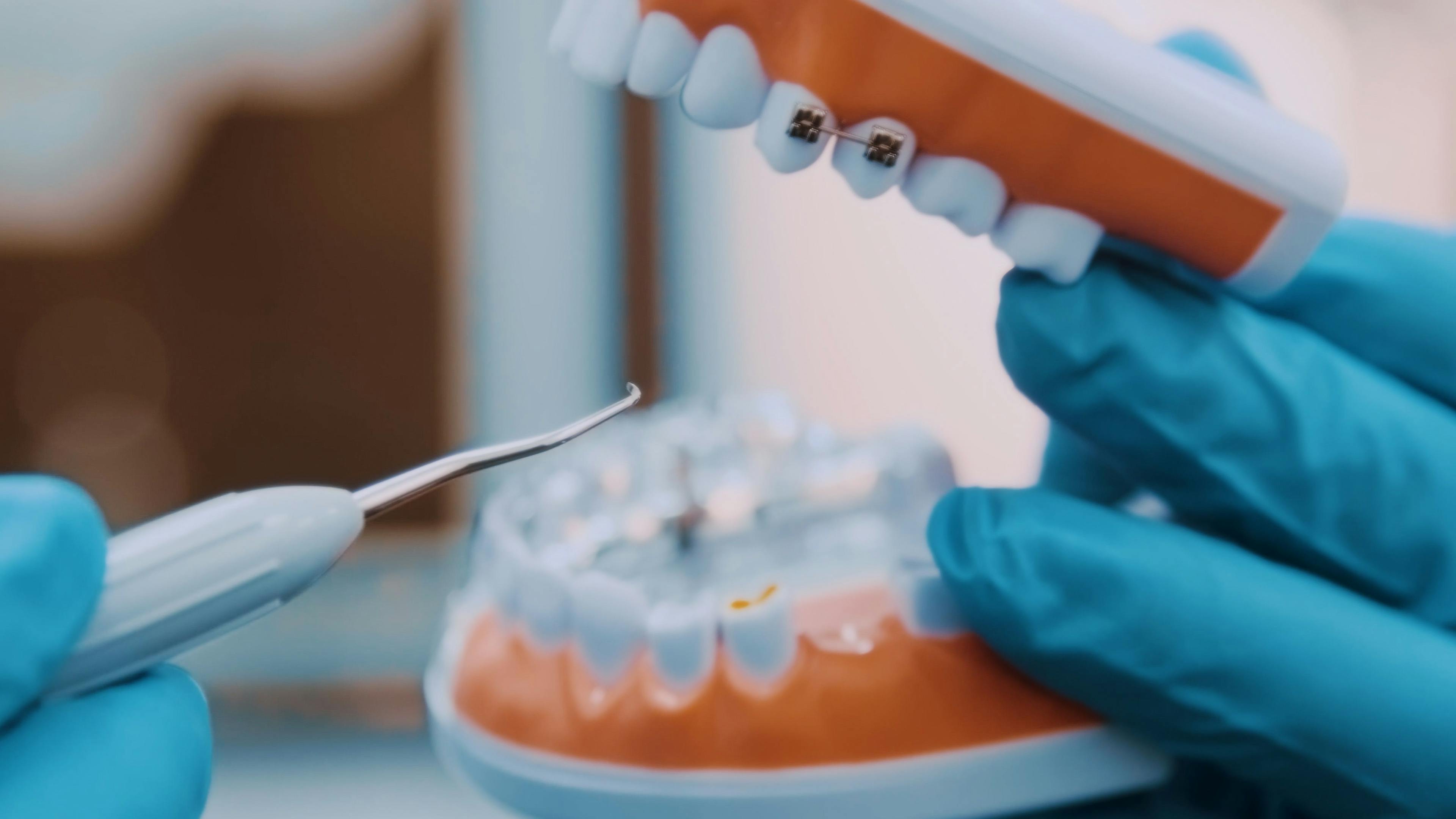

How to Prevent Tooth Decay: Practical Steps for Healthy Teeth in Lagos

Outline
Short answer
To prevent tooth decay, brush your teeth with fluoride toothpaste twice daily, floss every day, limit sugary foods and drinks, and visit your dentist regularly for check-ups and professional cleanings. Good oral hygiene, a balanced diet, and early intervention can help protect your teeth from cavities and keep your mouth healthy.
Key takeaways
- Brush with fluoride toothpaste twice daily to reduce decay risk.
- Limit sugary foods and drinks to protect enamel.
- Floss daily to reach areas your toothbrush misses.
- Schedule dental check-ups and cleanings every 6 months.
- Children need extra support and regular dental reviews.
Last updated 27 August 2026
How to prevent tooth decay: What actually works?
Tooth decay is caused by bacteria in your mouth turning sugars into acids, which slowly erode the enamel. Preventing decay means targeting both the bacteria and the sugars they feed on. The most effective steps are consistent brushing with fluoride toothpaste, daily flossing, limiting sugary snacks and drinks, and having regular dental check-ups. Using fluoride strengthens enamel, while professional cleaning removes plaque you can’t reach at home. professional dental check-ups
- Use a soft-bristled toothbrush.
- Replace your toothbrush every 3 months.
- Rinse after acidic foods or drinks.
How to prevent tooth decay at home
Prevention starts at home. Brush your teeth after breakfast and before bed. Use small, circular motions and cover all surfaces. Flossing removes food and plaque from between teeth, where decay often starts. Drinking water, especially after meals, helps wash away sugars and acids. Avoid brushing immediately after acidic foods—wait at least 30 minutes to protect softened enamel.
- Brush twice daily, 2 minutes each time.
- Floss daily, especially before bed.
- Choose water over sweetened drinks.
How to prevent tooth decay home remedies: What helps and what doesn’t?
Some home remedies, such as rinsing with salt water or chewing sugar-free gum, can help with oral hygiene, but they don’t replace brushing, flossing, or seeing a dentist. There is no evidence that clove oil, coconut oil pulling, or herbal mixtures can stop active decay. Fluoride toothpaste remains the gold standard for preventing cavities at home.
- Saltwater rinses soothe gums but don’t stop decay.
- Sugar-free gum can stimulate saliva.
- Clove oil may relieve pain but doesn’t cure decay.
How to prevent tooth decay from getting worse or spreading
If you suspect you have a cavity or soft spot, see your dentist as soon as possible. Early treatment can halt decay before it reaches the nerve or spreads to other teeth. Avoid sugary foods and drinks, maintain strict oral hygiene, and use fluoride products. Delaying treatment increases the risk of pain, infection, and more complex (and costly) dental work. oral health tips and guides
- Don’t ignore tooth sensitivity or pain.
- Seek dental care promptly if you notice changes.
- Treatment is easier and less invasive early on.
How to prevent tooth decay naturally: What role do diet and minerals play?
A healthy diet supports strong teeth. Foods rich in calcium, phosphorus, and vitamin D help remineralise enamel. Limit sticky, sugary foods, and opt for crunchy fruits and vegetables, which stimulate saliva. Fluoride—a naturally occurring mineral in many toothpastes and some water supplies—strengthens enamel and is key for natural cavity prevention.
- Eat dairy, leafy greens, eggs, and fish for minerals.
- Drink water instead of soda or juice.
- Avoid frequent snacking on sweets.
What mineral helps to prevent tooth decay?
Fluoride is the most important mineral for preventing tooth decay. It strengthens tooth enamel, making it more resistant to acid attacks from bacteria. Calcium and phosphorus also play a role in rebuilding enamel after minor damage.
How to prevent tooth decay in kids, toddlers, and babies
Children are especially prone to cavities due to developing teeth and habits. Start cleaning babies’ gums with a soft, damp cloth before teeth appear, then introduce a soft toothbrush and a rice-grain-sized amount of fluoride toothpaste. Supervise brushing until at least age 7. Limit juice, sweetened snacks, and bottles at bedtime. Regular dental visits from the eruption of the first tooth help catch issues early. services for children
- Never put babies to bed with a bottle.
- Begin brushing as soon as teeth appear.
- Schedule a dental check-up by age 1.
How to prevent tooth decay in toddlers and babies
For toddlers, use a smear of fluoride toothpaste and teach them to spit, not swallow. Wipe gums after feeds, and avoid dipping dummies in honey or sweeteners. Early dental visits can prevent future problems.
How to prevent tooth decay during pregnancy
Pregnancy can increase the risk of gum disease and tooth decay due to hormonal changes and cravings for sugary foods. Maintain excellent oral hygiene, eat a balanced diet, and have a dental check-up early in pregnancy. If you experience morning sickness, rinse your mouth with water after vomiting and wait before brushing.
- Don’t skip dental visits during pregnancy.
- Limit sugary snacks and acidic drinks.
- Treat gum bleeding or swelling promptly.
What to prevent tooth decay: Toothpaste, mouthwash, and other products
Fluoride toothpaste is essential for daily cavity prevention and most people benefit from using it twice a day. Mouthwash can be helpful, especially if it contains fluoride, but it’s not a substitute for brushing and flossing. Dental professionals may recommend additional products like prescription rinses or sealants based on individual risk. Choose products with the Nigerian Dental Association’s approval.
- Pick toothpaste with fluoride.
- Mouthwash is optional and not a replacement for brushing.
- Sealants can help protect children’s molars.
What to eat and what to avoid to prevent tooth decay
A tooth-friendly diet is low in added sugar and rich in fibre, calcium, and vitamins. Avoid frequent snacking on sweets, biscuits, or sugary drinks. Instead, choose fresh fruits, vegetables, dairy, eggs, and lean protein. Chewing crunchy foods like apples or carrots stimulates saliva, which helps neutralise acids. Drinking plenty of water, especially in Lagos’ heat, keeps your mouth hydrated and washes away food particles.
- Limit sugary snacks and drinks.
- Eat more vegetables, dairy, and lean proteins.
- Drink water often, especially after meals.
When to see a dentist and what professional care adds
Even with excellent home care, seeing your dentist every six months is important. Professional cleanings remove plaque and tartar you can’t reach, and your dentist checks for early signs of decay. In Lagos, a dental check-up typically costs ₦10,000 to ₦60,000, as a general guide. The final cost depends on your needs. You can review the full average price guide for common dental procedures in Nigeria at our pricing blog. Cost alone shouldn’t determine your choice—quality, safety, and trust matter most. average price guide for dental procedures
Read more: HMO dental cover options
- Get professional cleanings and preventive advice.
- Early detection means simpler treatments.
- See the full price guide at our blog.
Frequently asked questions
How can I prevent tooth decay naturally?
Brush and floss daily, eat a diet rich in calcium and fibre, limit sugary snacks and drinks, and use fluoride toothpaste. These steps strengthen enamel and reduce harmful bacteria. Regular dental check-ups are also important for early detection and personalised advice.
What foods help prevent tooth decay?
Foods rich in calcium (like milk, cheese, and leafy greens), phosphorus (fish, eggs), and fibre (fresh fruits and vegetables) help strengthen teeth and stimulate saliva. Avoid frequent sugary snacks and drinks, which feed cavity-causing bacteria.
Does mouthwash prevent tooth decay?
Mouthwash with fluoride can help reduce the risk of decay, but it should not replace brushing and flossing. It is best used as a supplement to daily oral hygiene, especially for people at higher risk or with specific dental recommendations.
How often should I visit the dentist to prevent tooth decay?
Most people should see a dentist every six months for a check-up and cleaning. Those with higher risk factors—such as frequent cavities, gum disease, or medical conditions—may need more frequent visits. Your dentist will advise based on your individual needs.
How can I prevent tooth decay in children?
Start brushing as soon as the first tooth erupts, use a rice-grain-sized amount of fluoride toothpaste, and supervise brushing until age 7. Limit sweet drinks and snacks, and schedule regular dental reviews from the first birthday.
What mineral helps to prevent tooth decay?
Fluoride is the key mineral for preventing tooth decay. It strengthens tooth enamel and makes it more resistant to acid attacks from bacteria. Calcium and phosphorus also support enamel repair and overall tooth health.
How do I know if I am at risk for tooth decay?
You may be at higher risk if you frequently eat sugary foods, have dry mouth, poor oral hygiene, existing dental work, or a history of cavities. Regular dental check-ups can help assess your risk and guide you on prevention.
References
Speak to a dentist at Exclusive Smile
Our clinicians in Victoria Island, Lagos and Ikeja, Lagos can assess your case and talk you through the options that actually apply to you. Book an appointment.